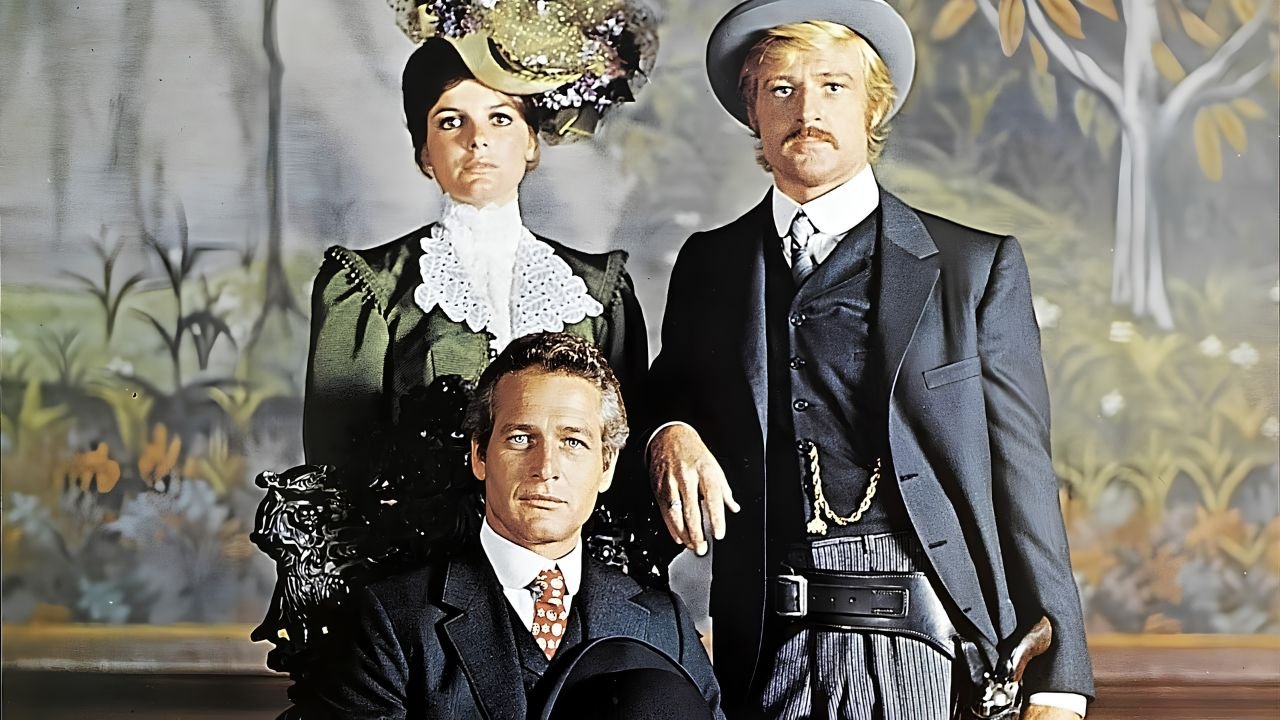
The American New Wave emerged as a response to the decline of the traditional studio system and the rise of television. Young filmmakers, inspired by European cinema, began experimenting with narrative style, realism, and controversial themes. Directors like Martin Scorsese, Francis Ford Coppola, and Robert Altman became central figures, creating films that reflected the social and political turbulence of the time.
Bonnie and Clyde (1967)
Arthur Penn’s Bonnie and Clyde shocked audiences with its mix of romance, violence, and social commentary. It marked the beginning of the New Hollywood era and influenced countless filmmakers.

The Graduate (1967)
Directed by Mike Nichols, The Graduate captured the disillusionment of youth in the late 1960s. Dustin Hoffman’s performance and Simon & Garfunkel’s soundtrack made it an instant classic.
Easy Rider (1969)
Dennis Hopper’s Easy Rider became a cultural touchstone, reflecting the counterculture movement. Its road trip narrative and psychedelic style defined the spirit of rebellion.

Midnight Cowboy (1969)
John Schlesinger’s Midnight Cowboy, starring Dustin Hoffman and Jon Voight, was the first X-rated film to win the Academy Award for Best Picture. It explored loneliness and survival in New York City.
Five Easy Pieces (1970)
Bob Rafelson’s Five Easy Pieces showcased Jack Nicholson in one of his most iconic roles, portraying alienation and the search for meaning in modern America.

MAS*H (1970)
Robert Altman’s satirical war comedy MAS*H challenged authority and became a symbol of anti-establishment filmmaking.
The Last Picture Show (1971)
Peter Bogdanovich’s The Last Picture Show is a poignant look at small-town America, exploring themes of change and nostalgia.

A Clockwork Orange (1971)
Stanley Kubrick’s adaptation of Anthony Burgess’s novel shocked audiences with its disturbing vision of violence and free will.
The Godfather (1972)
Francis Ford Coppola’s The Godfather redefined the gangster genre, blending family drama with crime epic. It remains one of the greatest films ever made.
The Godfather Part II (1974)
Coppola’s sequel expanded the saga, juxtaposing Michael Corleone’s rise with Vito Corleone’s origins. It is often considered superior to the original.
Chinatown (1974)
Roman Polanski’s Chinatown is a neo-noir masterpiece, starring Jack Nicholson and Faye Dunaway. Its dark themes of corruption and power resonate even today.
The Conversation (1974)
Francis Ford Coppola’s The Conversation explored paranoia and surveillance, reflecting the political climate of the 1970s.
Dog Day Afternoon (1975)
Sidney Lumet’s Dog Day Afternoon, starring Al Pacino, dramatized a real-life bank robbery and highlighted themes of desperation and identity.
One Flew Over the Cuckoo’s Nest (1975)
Miloš Forman’s adaptation of Ken Kesey’s novel won five Academy Awards. Jack Nicholson’s performance as Randle McMurphy remains legendary.
Taxi Driver (1976)
Martin Scorsese’s Taxi Driver captured the alienation of urban life. Robert De Niro’s portrayal of Travis Bickle became iconic, with the famous line “You talking to me?”
Rocky (1976)
Sylvester Stallone’s Rocky was a triumph of underdog storytelling, inspiring audiences worldwide and launching a franchise.
Star Wars (1977)
George Lucas’s Star Wars revolutionized filmmaking with its special effects and storytelling, ushering in the blockbuster era while still rooted in New Hollywood innovation.
Apocalypse Now (1979)
Francis Ford Coppola’s Apocalypse Now is a surreal exploration of war and madness, set during the Vietnam War. Its production struggles are legendary, but the result is unforgettable.
Raging Bull (1980)
Martin Scorsese’s Raging Bull, starring Robert De Niro, is a brutal portrait of boxer Jake LaMotta. Its black-and-white cinematography and raw performances make it a masterpiece.
Heaven’s Gate (1980)
Michael Cimino’s Heaven’s Gate symbolized the end of the New Hollywood era. Its financial failure marked a shift back to studio control, but its artistry has been reevaluated over time.
Conclusion
The American New Wave was more than a film movement; it was a cultural revolution. These 20 films showcase the diversity, creativity, and daring spirit that defined the era. Watching them offers not only cinematic enjoyment but also a deeper understanding of how movies evolved into modern storytelling.